

SAP MII has supported manufacturing processes, integrations, and shop-floor applications for many years. As its support lifecycle approaches its end, manufacturers are facing an important question: how can they modernize their landscape without losing the business knowledge and process expertise built into their existing systems?
Concircle Talks: MII is ending, but your manufacturing know-how doesn't have to
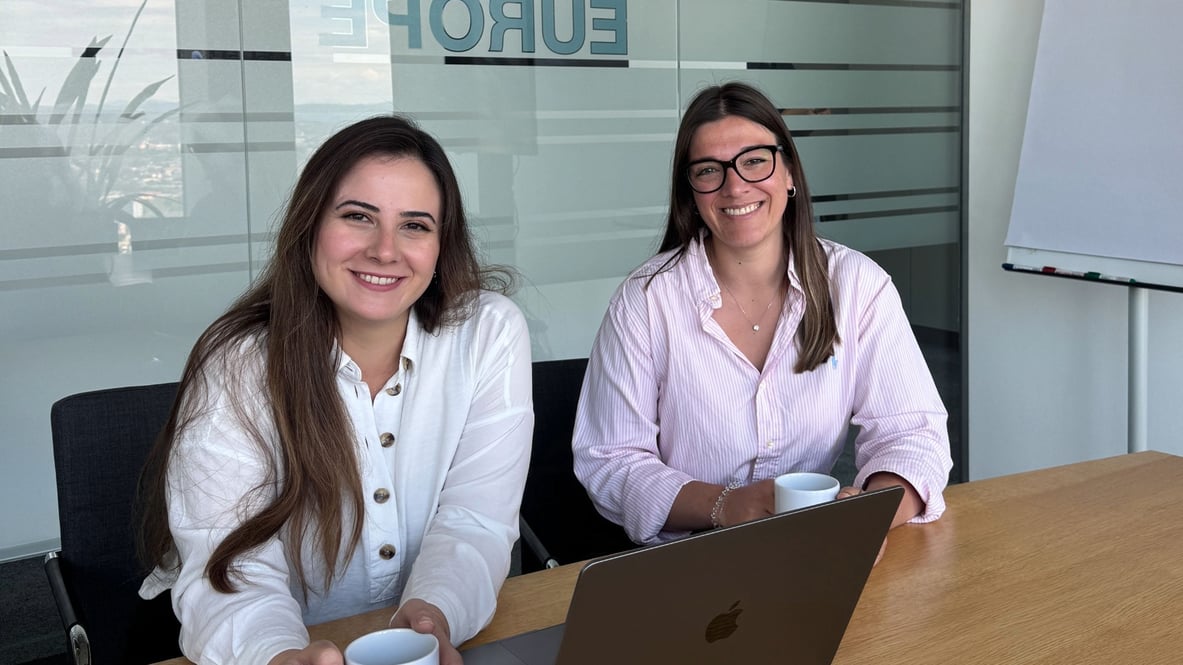
Selen spoke with Joana, an IT Consultant specializing in MES, about the changes she is seeing in manufacturing projects, the risks of waiting too long, and the options available to companies planning their next step beyond SAP MII.
"The end of SAP MII support is not only a technology decision. It is a chance to understand, simplify, and strengthen the manufacturing landscape that already exists."

Selen Marangozoglu
Team Lead Digital Manufacturing Consulting & Engineering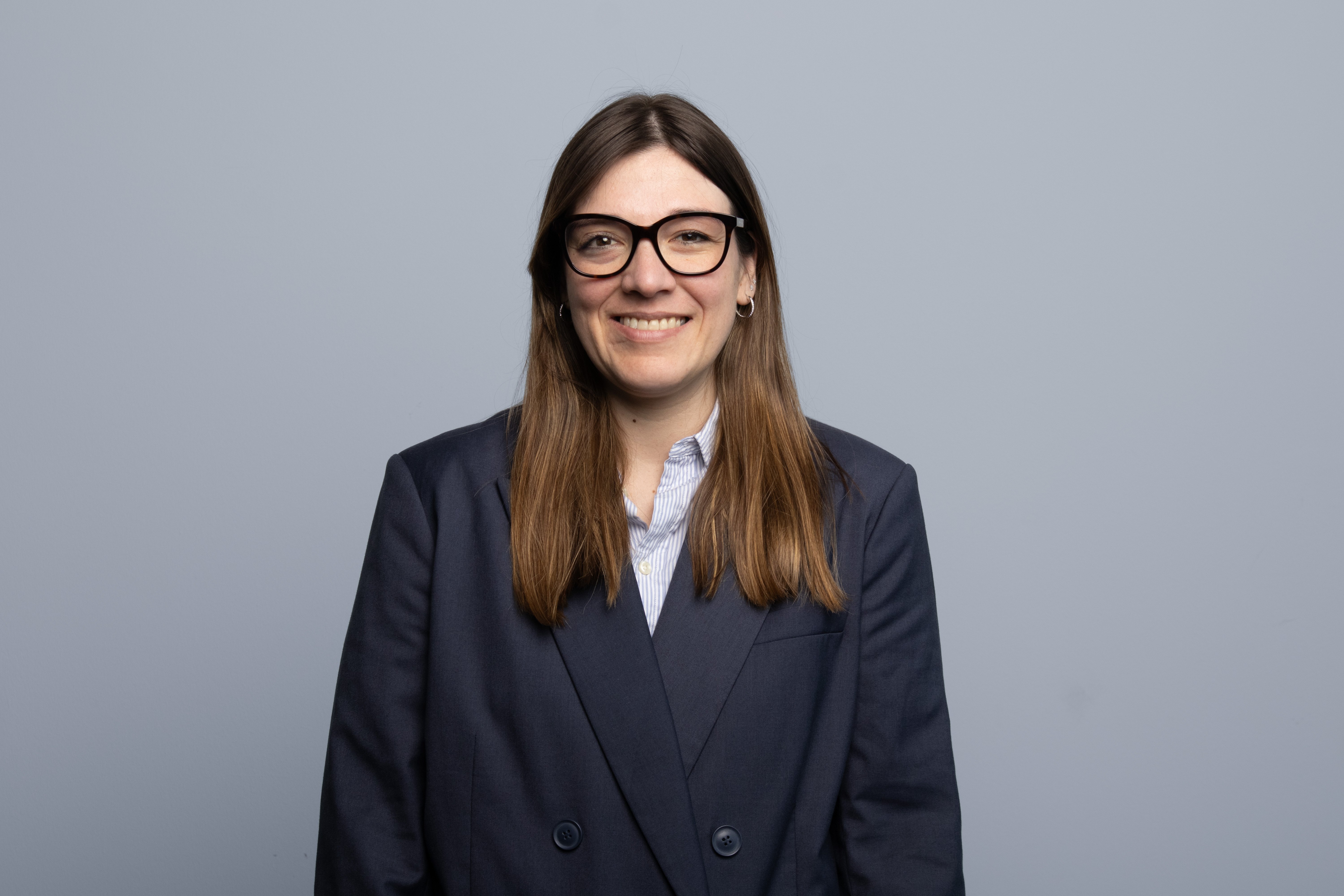
Joana Pereira
IT Consultant spezializing in MESFrom customized solutions to connected manufacturing landscapes
Selen:
Hi Joana! We are working together in the Digital Manufacturing team, but for our readers who don't know you yet: could you briefly introduce yourself and tell us what your role and responsibilities are in our projects?
Joana:
I am an IT Consultant specializing in MES systems, and I have been working in this area since 2018. Over the years, I have had the opportunity to work with different MES solutions, including SAP MII, SAP Digital Manufacturing, and conMC. This has given me experience across more than 15 projects in over 10 countries, working with different industries, manufacturing environments, and customer requirements.
Selen:
You've worked across different manufacturing technologies and customer environments. When you look at manufacturing projects today, what has changed the most compared to a few years ago?
Joana:
I think the biggest change is the move toward more connected, cloud-based and standardized manufacturing environments. A few years ago, projects were often very customized and focused on solving specific requirements at one plant. Today, customers are looking much more at scalability, integration, and solutions that can be reused across different plants. We also see much more focus on data and AI, but for me, having connected systems and reliable manufacturing data is really the foundation for that.
Selen:
As IT consultants we are also busy with new technologies: cloud, AI, IoT, connected factories, digital twins... Do you think manufacturing companies are ready for this next wave, or are many of them still busy keeping their existing systems running?
Joana:
I think it’s a mix. Companies are definitely interested in new technologies and digital transformation, but many are still dealing with legacy systems that are critical for daily production. SAP MII is a good example. Many companies have built important manufacturing processes over many years, and these systems cannot simply be replaced overnight.
"Before moving forward with new technologies, companies also need a clear modernization strategy for what they already have."
What the end of SAP MII support means
Selen:
Let's talk about the elephant in the room: SAP MII is approaching the end of its support lifecycle. From your perspective as someone who has worked hands-on with MII, what does that actually mean for customers?
Joana:
For customers, it means they need to start thinking seriously about what comes next. Many MII systems have been running for years and contain a lot of custom logic and processes that are critical for production. So it’s not simply about replacing one technology with another. Customers need to understand what they have today, what should be kept or improved, and define the right modernization path early.
Selen:
Do you see the end of MII support mainly as a risk, or could it actually be an opportunity for companies to rethink their manufacturing landscape?
Joana:
I see it more as an opportunity. Of course, there are risks and challenges, but it also gives companies the chance to review processes that have been in place for many years, reduce unnecessary customizations, and move toward a more modern, standardized and scalable manufacturing landscape.
Selen:
And what do you think is the biggest risk customers are currently underestimating?
Joana:
I think the biggest risk is waiting too long to start the transition. Many customers underestimate how much business logic, customization and integration has been built into their MII landscape over the years. It takes time to understand what is still needed, what can be simplified, and how it should be migrated.
"If companies start too late, they may end up making decisions under time pressure without having enough time to properly evaluate their options and plan the transition."
Why not everything needs to be rebuilt from scratch
Selen:
Let's say I'm a customer and I've been running MII for 10 or 15 years. I have hundreds of developments, integrations, transactions and applications. My first reaction might be: "Great. MII is ending. Now I have to rebuild everything." Is that how you see it?
Joana:
Not necessarily. The first step should be to assess what you already have. After 10 or 15 years, not everything may still be needed, and not everything needs to be rebuilt from scratch.
Customers should understand what can be kept, simplified or modernized. Depending on their requirements, SAP Digital Manufacturing can be part of the future landscape, while solutions like conMC can help transform existing MII developments into new technologies.
"It doesn’t have to be an all-or-nothing approach."
How conMC supports modernization
Selen:
This is actually why we developed conMC. For customers who haven't heard about it yet, how would you describe conMC in your own words?
Joana:
I would describe conMC as a way to modernize existing SAP MII solutions without having to rebuild everything from scratch. It converts existing MII developments into a modern Node.js and TypeScript-based solution, while allowing customers to preserve their existing business logic, interfaces and applications.
Selen:
What are the first steps customers should take if they are starting to plan for the MII end of life?
Joana:
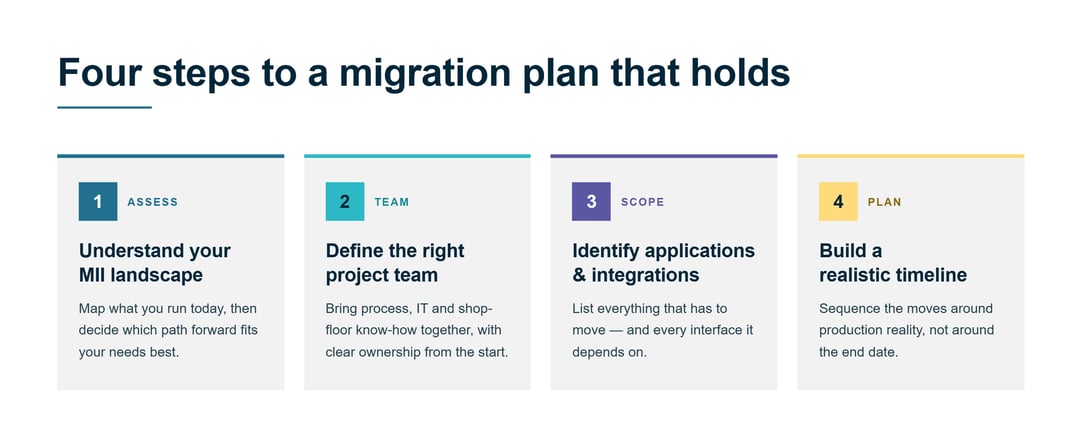
First, they need to understand their current MII landscape and decide which path forward best fits their needs. Then they should define the right project team, identify the applications and integrations that need to be migrated, and build a realistic timeline. I would also recommend starting with an assessment or a proof of concept before planning the full migration.
 Selen:
Coming specifically to your conMC experience: what has been your biggest learning from working on conMC projects?
Joana:
My biggest learning is that the conversion itself is only one part of the project. The real work is understanding the existing MII landscape—what is still being used and what needs to be adapted or simplified. Every MII landscape has evolved differently over the years, so the analysis at the beginning is really important.
Selen:
What's one thing you would tell an MII customer who is currently thinking: "We still have plenty of time until 2030"?
Joana:
2030 may sound far away, but for a complex manufacturing landscape it really isn't. You don't need to migrate everything tomorrow, but you should start assessing your landscape and defining your strategy now.
Selen:
One last question. If you could give every MII customer just one piece of advice today, what would it be?
Joana:
Start early! Understand what you have today before deciding where you want to go tomorrow.
Selen:
And I'll add one from the conMC perspective:
"MII may be reaching the end of its lifecycle, but the knowledge, processes and business value
you've built with it don't have to disappear."
Thanks, Joana. It's been great having this conversation with you — and I think our readers now have a much clearer picture of what the
road beyond MII can actually look like.